
Frank McAvennie
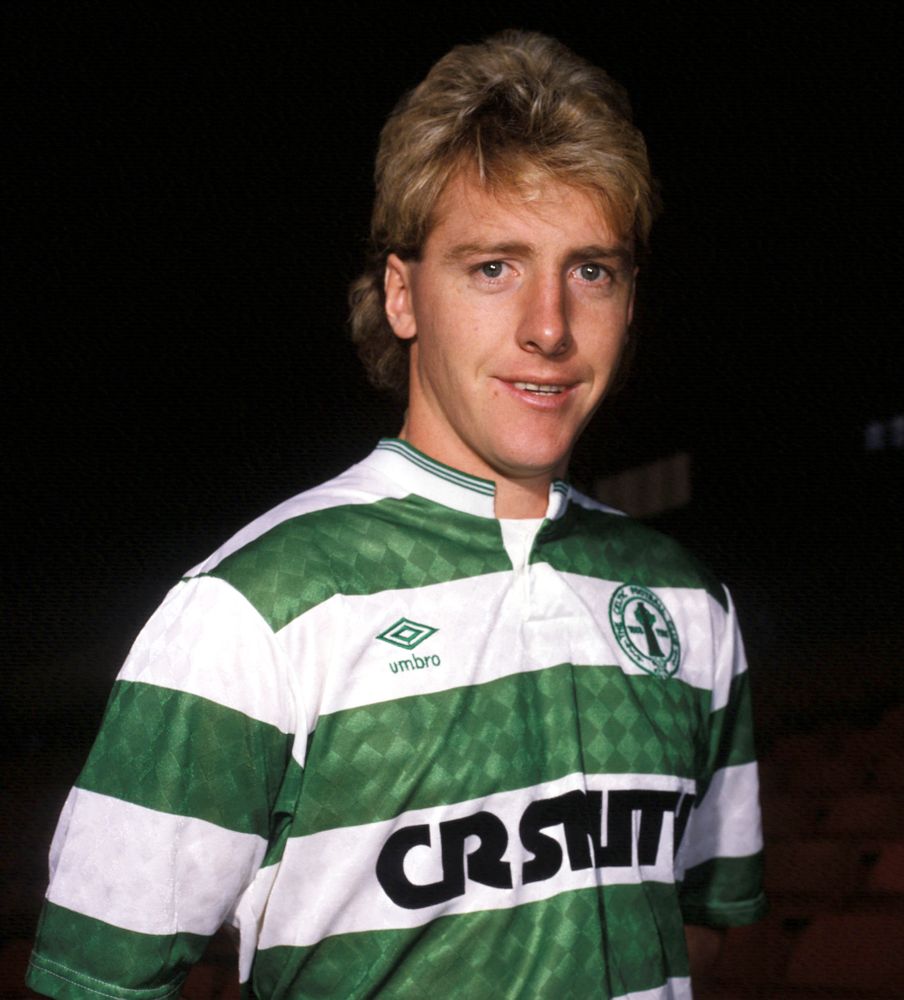
– An Extensive Biography
Early Life and Background
Francis “Frank” McAvennie was born on 22 February 1959 in Glasgow, Scotland, and grew up in the Easterhouse area of the city. Raised in a tough environment, McAvennie’s upbringing forged a resilient, streetwise character that would later define both his football career and public persona.
A lifelong Celtic supporter, he was steeped in the culture of the club from childhood. Football was more than a sport to McAvennie; it was an escape, a passion, and ultimately a path to national recognition.
Early Career and Breakthrough
McAvennie began his professional career with St Mirren, where he made his debut in the late 1970s. His natural instincts as a centre-forward quickly became apparent.
Unlike traditional target men, McAvennie thrived on:
Sharp movement in the box
Opportunistic finishing
Confidence bordering on swagger
An ability to score crucial goals rather than spectacular ones
His performances attracted attention from larger clubs, setting the stage for a major move.
First Celtic Spell (1983–1987)
In 1983, McAvennie signed for Celtic, fulfilling a lifelong dream. Almost immediately, he became a fan favourite.
Key achievements during his first spell:
Scottish League title (1985–86) – part of the legendary Centenary Double team
Scottish Cup winner (1985)
Top scorer in multiple seasons
McAvennie formed effective partnerships up front and was known for scoring in big moments, particularly in high-pressure league matches. His goals were often decisive, reflecting his predatory instincts inside the penalty area.
Playing Style
Frank McAvennie was known for:
Clinical finishing
Intelligent movement
Composure in front of goal
Big-game mentality
Natural striker’s instincts
He was not a flashy dribbler or physical powerhouse, but he had an innate understanding of where the ball would fall, making him a constant threat.
Move to West Ham United
In 1987, McAvennie made a high-profile move to West Ham United, becoming one of the most recognisable Scottish players in English football at the time.
At West Ham:
He quickly endeared himself to supporters
Became known for his personality as much as his goals
Scored regularly in the First Division
Though his time in England was relatively short, it significantly raised his profile and cemented his reputation as a colourful, charismatic striker.
Return to Celtic and Later Playing Career
McAvennie returned to Celtic in 1989, though his second spell was less successful than the first. Changes in management, fitness issues, and off-field distractions affected his impact.
He later played for:
Airdrieonians
St Mirren (return)
Partick Thistle
As his playing career wound down, McAvennie remained a respected figure, particularly among supporters who remembered his peak years.
Scotland International Career
Frank McAvennie earned 8 caps for the Scotland national team, scoring 1 international goal. While his international career was limited, he was part of a competitive generation of Scottish attackers, making appearances during an era rich in striking talent.
Personal Struggles and Redemption
McAvennie has spoken openly about alcohol addiction, acknowledging that it impacted both his career and personal life. His honesty about these struggles has been widely praised.
In later years, he embraced recovery and has become an advocate for:
Mental health awareness
Addiction recovery
Speaking openly about mistakes and growth
His willingness to confront his past has reshaped his public image into one of redemption and resilience.
Media Career and Public Persona
Since retiring, McAvennie has built a successful career in football media and punditry. Known for his:
Humour
Candour
Strong opinions
Storytelling ability
He has become a popular figure on radio, television, and podcasts, particularly among Celtic supporters.
Legacy
Frank McAvennie’s legacy is layered and enduring.
He is remembered as:
A key figure in Celtic’s Centenary Double
A natural goalscorer
A symbol of working-class Glasgow football culture
A man who overcame personal demons and spoke honestly about them
Few players capture the spirit of football as fully as McAvennie: flawed, gifted, passionate, and unforgettable.